


-
Позвоните нам : +86 13728718457
-
Свяжитесь с нами по электронной почте : Lexie@Sharicca.com
Позвоните нам : +86 13728718457
Свяжитесь с нами по электронной почте : Lexie@Sharicca.com

1. Коммуникация, отражающая рыночный спрос и стиль общения.
Бренд четко определяет целевой рынок (например, Европа, Америка/Азия), позиционирование на рынке (например, спортивное нижнее белье/корректирующее белье), ценовой диапазон, и фабрика, исходя из этого, рекомендует продукцию и производственные решения.
2. Выберите модели и подтвердите размеры, цвета и количество.
3. Предоставить логотип и подробную информацию о необходимых параметрах персонализации.менты, фЗавод предоставит проектную документацию и типовой план.
4. Подтвердите производственный график, способ доставки и дату поставки.
5. Подтвердите заказ, произведите оплату и начните производство.
6. Разработать исходные образцы и получить подтверждение образцов.
а. Создание выкройки и разработка первого образца.
б. Примерка платья на манекен и корректировка выкройки.
c. Подтверждение деталей процесса
d. Примерка нарядов европейскими и американскими моделями.
e. Проверка и окончательное подтверждение исходных образцов.
7. Тестирование и сертификация соответствия.
Время, необходимое для подачи заявки на дополнительную сертификацию, не включено в расчет.
а. Проверка качества и эксплуатационных характеристик продукции в собственной лаборатории завода.
b. Заявка на сертификацию соответствия (также доступны услуги по индивидуальной сертификации для удовлетворения особых требований)
8. Подготовка к серийному производству и начало производства.
а. Разработка технологической документации и создание предпроизводственных образцов.
б. Координация цепочки поставок материалов и планирование производства.
c. Контроль качества
9. Заводское послепродажное обслуживание и сбор отзывов рынка.
Методы повышения эффективности в Нижнее бельеУслуги ODM ((Принимая) Высококачественный удобный бесшовный бюстгальтер без косточек (OEM/ODM). (например)
1. Заранее определите целевой рынок, выберите модели, цвета и количество для производства, а также четко укажите требования к индивидуализации.
2. Обеспечьте эффективную коммуникацию, четко указывая сроки производства, сроки доставки и условия оплаты для быстрого подтверждения заказов.
3. Тесное сотрудничество для сокращения количества повторных модификаций образцов.
4. Тесное сотрудничество для оперативного подтверждения деталей образца и деталей массового производства, а также подтверждения оптового заказа.
5. Сокращение цикла оплаты: Большинство заводов начинают производство только после получения оплаты. Поэтому быстрый цикл оплаты также имеет решающее значение для повышения скорости производства OEM-продукции.
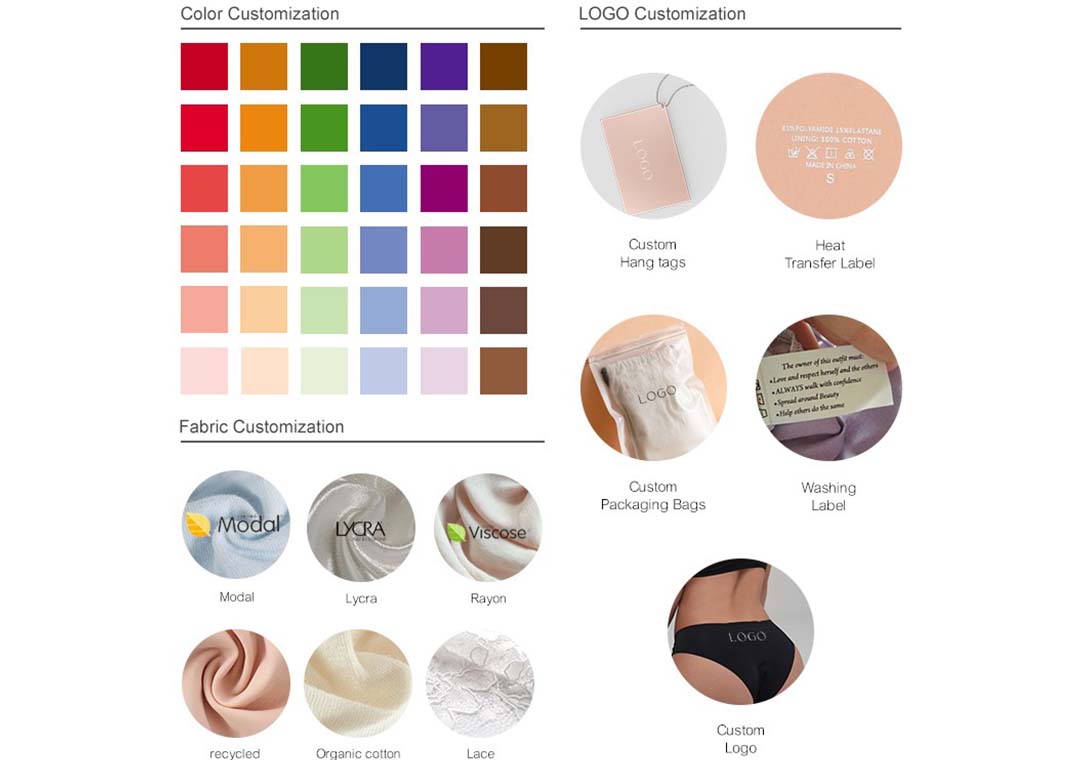
2. Подтвердите график производства, способ доставки и дату поставки.
3. Подтвердите детали заказа, произведите оплату и запустите производство.
4. Разработать исходные образцы и получить подтверждение образцов.
а. Создание выкройки и разработка первого образца.
б. Примерка платья на манекен и корректировка выкройки.
c. Подтверждение деталей процесса
d. Примерка нарядов европейскими и американскими моделями.
e. Проверка и окончательное подтверждение исходных образцов.
5. Тестирование и сертификация соответствия.
а. Проверка качества и эксплуатационных характеристик продукции в собственной лаборатории завода.
b. Заявка на сертификацию соответствия (для удовлетворения особых требований доступны услуги по индивидуальной сертификации)
6. Подготовка к серийному производству и само производство. выполнение
а. Разработка технологической документации и создание предпроизводственных образцов.
б. Координация цепочки поставок материалов и планирование производства.
c. Контроль качества
7. Заводское послепродажное обслуживание и сбор отзывов рынка.
Методы повышения скорости производства нижнего белья OEM (с учетом...)Бесшовное непротекающее белье для менструации (OEM и ODM)(например)
1. Предоставьте полный технический пакет, четко указывающий требования к индивидуальной настройке трусиков для критических дней, включая: таблицу размеров, ткань и фурнитуру, изображения изделия, требования к технологическому процессу, функциональные требования (например, какой уровень впитываемости жидкости необходим?), логотип бренда, стиль, цвет, количество и т. д.
2. Эффективная коммуникация: Четко информируйте поставщика о требуемом времени производства, сроках доставки и условиях оплаты для быстрого подтверждения заказа.
3. Взаимное сотрудничество: Подтверждайте детали производства и требования к образцам с производителем на ранних этапах, чтобы сократить количество повторных изменений образцов.
4. Быстрое реагирование и сотрудничество: оперативное подтверждение деталей образца и деталей серийного производства, а также подтверждение заказа на серийное производство.
5. Сокращение цикла оплаты: Большинство заводов начинают производство только после получения оплаты. Поэтому быстрый цикл оплаты также имеет решающее значение для повышения скорости производства OEM-продукции.
Если вы хотите быстро запустить OEM/ODM-производство, свяжитесь с нами:
📩Электронная почта: Lexie@Sharicca.com
🌐Веб-сайт:www.chuangrongapparel.com
ТЕГИ :